
Harnessing the Power of Elderberry Syrup to Boost Immunity
Discover how elderberry syrup can support your immune system naturally. Learn the benefits, best uses, and how to make or choose the right syrup.
Holistic Healthvibe
12/26/20257 min read
Introduction to Elderberry Syrup
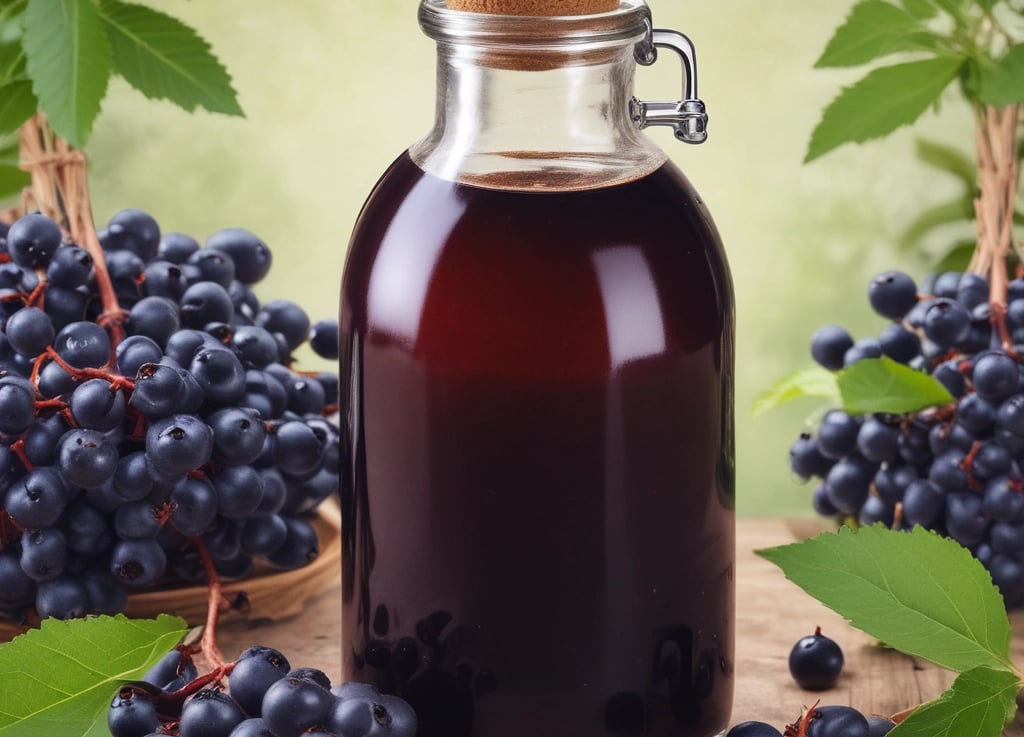
Elderberry syrup is a herbal preparation derived from the berries of the Sambucus tree, commonly known as the elderberry plant. This syrup has gained considerable attention in recent years, primarily for its potential benefits in supporting the immune system. The elderberry itself has a long history of use in various cultures, dating back to ancient times when it was famously employed by the Egyptians for its medicinal properties and by Native Americans for its healing capabilities.
The traditional uses of elderberry syrup encompass a wide range of ailments. Historically, it has been utilized to treat colds, flu-like symptoms, and to provide relief from respiratory infections. The syrup is prepared by cooking the elderberries and extracting their juice, which is then combined with sweeteners, such as honey or sugar, to create a palatable remedy. It is important to note that the sambucus berries must be cooked before consumption, as raw berries can be toxic and lead to gastrointestinal discomfort.
Elderberries are rich in nutrients that contribute to their health benefits. They contain high levels of antioxidants, particularly flavonoids, which are known for combating oxidative stress and bolstering overall immune function. Additionally, elderberries are a source of vitamins A, B, and C, which play significant roles in maintaining health and supporting the immune system. The plant's active compounds may help to stimulate the production of cytokines, proteins that facilitate cell signaling in immune responses. Due to these properties, elderberry syrup has become a popular addition to wellness regimens, especially during cold and flu season, as individuals seek natural ways to enhance their immunity.
Nutritional Profile of Elderberries
Elderberries are not only a popular ingredient in traditional remedies but also possess a rich nutritional profile that supports immune health. These small, dark berries are particularly known for their high antioxidant content, which plays a critical role in neutralizing free radicals in the body. Antioxidants, such as flavonoids, are vital in reducing oxidative stress, which can adversely affect the immune system.
A notable aspect of elderberries is their substantial vitamin content. They are an excellent source of vitamin C, which is crucial for immune function, as it stimulates the production of white blood cells and enhances the skin's barrier to pathogens. In addition to vitamin C, elderberries provide several B vitamins, including vitamin B6 and folate, which are integral to maintaining cellular function and promoting overall health.
The mineral content of elderberries also contributes to their health benefits. They are a source of potassium, which helps regulate blood pressure and balance fluid levels in the body, essential for optimal physiological function. Furthermore, elderberries contain dietary fiber, which supports digestive health and helps maintain a healthy gut microbiome. A balanced gut microbiome is increasingly recognized for its role in modulating the immune response.
Beyond vitamins and minerals, elderberries boast a variety of phenolic compounds that have been shown to possess anti-inflammatory properties. By reducing inflammation, these compounds can further support immune function. In essence, when consumed as elderberry syrup, these beneficial nutrients work synergistically to bolster the body's defenses against infections and other health challenges. As a supplement, elderberry syrup embodies an effective method for individuals seeking to enhance their immune system health naturally.
How Elderberry Syrup Boosts Immunity
Elderberry syrup has garnered significant attention for its potential immune-boosting properties, particularly in the context of combating common viral infections. The primary mechanism behind its effectiveness lies in the presence of powerful antioxidants, particularly flavonoids, which can enhance the body's immune response. These compounds not only neutralize free radicals but also modulate the immune system, making it more vigilant against pathogens.
Research has highlighted that elderberry extract possesses notable antiviral properties. Studies indicate that compounds found in elderberries may inhibit the replication of viruses, including those responsible for the flu. This action can reduce the duration and severity of illness, aligning with the body’s natural defenses. By fostering a more resilient immune environment, elderberry syrup may help individuals recover more quickly from viral infections and potentially lower the risk of future occurrences.
Furthermore, elderberry syrup has been linked to improving the overall immune function. It appears to stimulate the production of cytokines, which are crucial signaling proteins in the immune response. By promoting the activity of immune cells, such as macrophages and lymphocytes, elderberry syrup plays a role in enhancing the body’s ability to fight infections. This is particularly relevant during the cold and flu season when the immune system may require additional support.
In addition to its direct antiviral effects, elderberry syrup may also alleviate some symptoms associated with respiratory infections. By reducing inflammation in the airways, it helps to ease congestion and improve respiratory function. This complementary action not only supports the body’s recovery process but also aids in maintaining a robust immune system capable of efficiently responding to various threats. Overall, incorporating elderberry syrup into one’s wellness routine may provide a holistic approach to enhancing immune strength, particularly during peak illness seasons.
Scientific Evidence Supporting Elderberry's Immune Benefits
Elderberry syrup has increasingly garnered attention for its potential immune-boosting properties, supported by various clinical studies and research findings. Scientific investigations have explored the effects of elderberry on viral infections, particularly its ability to enhance the immune response and reduce the severity and duration of illnesses such as the common cold and influenza.
One notable study conducted by Zammit et al. (2019) utilized a randomized, double-blind, placebo-controlled design to assess the efficacy of elderberry extract in patients experiencing influenza-like symptoms. The participants received either elderberry extract or a placebo during the peak of flu season. Results revealed that those taking elderberry syrup experienced a significant reduction in symptom duration, with flu symptoms alleviating four days earlier compared to the placebo group. These findings highlight elderberry's potential as a therapeutic option during viral outbreaks.
In another investigation, a meta-analysis of randomized controlled trials published in the Journal of Functional Foods further supported elderberry’s role in immune enhancement. This analysis combined data from several studies, revealing that elderberry supplementation led to a noticeable improvement in immune function markers, such as cytokine levels, which play a critical role in the immune response. The systematic review concluded that elderberry can be an effective natural remedy for improving overall health, particularly during illness.
Furthermore, elderberry's high concentration of flavonoids, such as anthocyanins, has been studied for its antioxidant properties. These compounds are known to combat oxidative stress, which can affect immune health. A study published in the Journal of Agricultural and Food Chemistry demonstrated that elderberry extract protects against oxidative damage in human cells, suggesting that it could fortify immune defenses.
These studies underscore the scientific foundation supporting elderberry syrup's use as a supplemental approach to bolster the immune system. While further research is warranted, the current evidence presents elderberry as a promising candidate for enhancing immunity and overall wellness.
Recommended Dosage and Usage of Elderberry Syrup
Incorporating elderberry syrup into your daily regimen can be an effective way to enhance your immune health. However, it is essential to follow proper dosage guidelines to ensure safety and maximize benefits. For adults, a common recommendation is to take one tablespoon (15 ml) of elderberry syrup to support immune function. This can be taken once or twice daily, particularly during cold and flu season, or when experiencing symptoms related to respiratory illnesses.
For children ages 1 to 12 years, a dosage of one teaspoon (5 ml) is generally advised. Similar to adults, children can take this once or twice daily depending on their health needs and the guidance of a healthcare provider. It is important to note that elderberry syrup should not be given to infants under the age of one due to the risk of botulism. Always consult with a pediatrician before introducing new supplements into a child’s diet.
Elderberry syrup can be consumed in various ways, which may enhance its palatability and encourage regular use. Many people enjoy taking it straight, appreciating its rich, natural flavor. Others may prefer to mix it with water, herbal tea, or another beverage to dilute the concentrated syrup. Additionally, elderberry syrup can be added to smoothies, yogurt, or oatmeal, making it a versatile health supplement in various culinary applications.
When selecting an elderberry syrup, it is important to choose high-quality products devoid of added sugars and artificial preservatives. Always read labels carefully and consider sourcing syrups from reputable brands that employ standardized extraction processes to ensure potency. By adhering to the recommended dosage and exploring different methods of consumption, you can effectively harness the immune-boosting benefits of elderberry syrup.
Potential Side Effects and Considerations
Elderberry syrup is widely praised for its immune-boosting properties; however, it is essential to recognize that it may not be suitable for everyone. While many individuals can consume elderberry syrup without adverse effects, a few potential side effects and contraindications warrant attention. Commonly reported side effects include gastrointestinal discomfort, such as diarrhea and nausea, particularly when high doses are consumed. It is advisable to start with smaller doses to assess individual tolerance.
Moreover, individuals with certain health conditions should approach elderberry syrup with caution. For those suffering from autoimmune diseases, the consumption of elderberry may stimulate the immune system, potentially worsening their condition. Similarly, people with underlying health issues, especially those related to the liver or any organ function, should consult their healthcare provider before adding elderberry syrup to their regimen.
Individuals taking medications that affect the immune system, such as immunosuppressants, must also exercise caution. Elderberry syrup may interact with these medications, potentially diminishing their effectiveness or leading to unexpected side effects. Pregnant and breastfeeding women are advised to avoid elderberry syrup due to a lack of conclusive evidence regarding its safety during these periods. Lastly, it is important to source elderberry syrup from reputable suppliers to prevent toxicity associated with raw or improperly prepared elderberries, which can contain harmful compounds.
In addition to these considerations, it is essential to discuss any new supplements, including elderberry syrup, with a healthcare professional who can provide personalized guidance based on individual health profiles. An informed approach to using elderberry syrup can help maximize its benefits while minimizing risks, ensuring that individuals can safely harness its potential to support immunity.
Conclusion and Final Thoughts
In summary, elderberry syrup has emerged as a popular natural remedy touted for its potential to enhance immune function. Rich in antioxidants, vitamins, and minerals, elderberries have been linked to a variety of health benefits, particularly in supporting the immune system. Studies suggest that elderberry syrup can help shorten the duration and severity of colds and flu-like symptoms, primarily due to its anti-inflammatory and antiviral properties. The syrup is believed to stimulate the production of cytokines, which are crucial in the immune response, making it a valuable addition to one's health arsenal.
While the potential advantages of elderberry syrup for immune support are notable, it is essential to approach its usage with caution. Responsible consumption is paramount, as excessive intake can lead to unwanted side effects such as gastrointestinal discomfort. Additionally, the syrup should not be viewed as a substitute for professional medical advice or treatment. Individuals considering incorporating elderberry syrup into their dietary regimen should first consult with healthcare professionals, particularly those with pre-existing medical conditions or those who are pregnant or breastfeeding. A qualified healthcare provider can offer tailored guidance on the appropriate dosage and usage of elderberry syrup, ensuring it aligns with individual health needs.
In conclusion, elderberry syrup can be a useful ally in bolstering one's immune health when used responsibly and in conjunction with a balanced lifestyle. As with any supplement, enhancing one's immune resilience goes beyond a single remedy, requiring a holistic approach to health and wellness. Prioritizing a balanced diet, regular physical activity, adequate sleep, and stress management remains vital in maintaining overall well-being.
Address
Baltimore, MD
Quick Links


©2025.Holistic Health vibe. All Rights Reserved.